New Construction · PCS
New construction is one of the most common ways military families buy in San Antonio, and it runs on its own calendar. This page explains how builder purchases work during a PCS: the timelines, the incentives, the VA financing, and the tax picture, so the decision comes from the numbers rather than the sales center.
The short version: new construction offers modern systems and builder incentives, and it runs on the builder's schedule, not the buyer's. A PCS deadline turns that schedule into the central question, so the practical comparison is inventory against build-to-order, and builder incentives against what a resale home in the same area would cost. Independent buyer representation should be in place before the first serious conversation with a builder.
Reviewed September 20, 2026. Builder policies, lender terms, VA procedures, and tax rules change over time; confirm current details with the builder, the lender, and the taxing authority on the file.
An inventory home is complete or near complete, priced as-is, and available on a schedule the builder controls. A home under construction is bought off plans or in the early build stages, with the buyer choosing options and waiting out the build. The tradeoff is timing: inventory works when the PCS deadline is tight, while build-to-order means a longer wait and a larger deposit at risk.
Builders publish estimated completion windows, not guarantees. The contract sets the price, the options, the deposit, and what happens if completion slips past the estimated date. Tami reads the builder contract with the buyer before it is signed and flags the schedule language, the deposit terms, and the change-order process.
Builders use incentives to move inventory: interest rate buy-downs, closing cost credits, design credits, or upgrades. Each one only has value if the buyer actually uses it, and each changes the true price of the home. Tami compares the builder price and incentives against what a resale home in the same area would cost, so the incentive is measured against the market rather than against the builder’s own list price.
VA loans work with new construction, including build-to-order purchases in many communities, with the same Certificate of Eligibility, VA appraisal, and minimum property requirements as a resale purchase. The timing is different: the VA appraisal happens against the plans or the finished home depending on the stage, and the lender works a longer lock window for the build. The financing toolkit covers the current VA details.
The sales agent at a builder’s sales center represents the builder. Tami represents the buyer: she verifies the builder’s broker registration requirements, negotiates the price and incentives, reads the contract, and protects the buyer’s interests through the build. Buyers are not required to have representation, but the negotiation and the contract review are where representation pays for itself.
New homes get inspections too. A licensed inspector can review the home at key stages, often before the final walkthrough, and catches items the builder’s own quality review may have missed. Buyers should build the inspection into the contract terms before signing, and walk the home with an inspector on site in the days before closing.
Construction schedules slip. Inspection backlogs, material timelines, weather, and builder demand all move completion dates, and a PCS report date does not move with them. Tami builds the purchase backward from the report date with buffer for delay, and discusses what happens to the deposit and the timeline if completion crosses the move window.
An incentive makes a new home look cheaper than the list price suggests, but the fair comparison is against a resale home in the same area at the same total monthly cost. Tami lays out both columns: price net of incentives, property taxes including any MUD or PID layers, maintenance expectations, and move-in timing, so the comparison is apples to apples.
A new home is often taxed initially on a value below the purchase price, then reassessed as the improvements hit the tax roll, which can raise the second-year escrow payment. Buyers should ask about the county, city, school, MUD, and PID layers for the specific community. The property taxes page covers this in detail.
The strongest position is to confirm buyer representation before the first serious conversation with a builder. Registration requirements, incentive negotiations, and contract terms are easier to protect from the start than to retrofit later. Tami’s guidance is the same for every buyer: talk to her before the sales center, not after the first deposit.
Representation matters
Tami Price is a U.S. Air Force veteran, Military Relocation Professional, and Broker Owner of Tami Price Properties with two decades of San Antonio experience and more than 1,000 completed transactions. New construction has been a steady part of that work: she has represented buyers across the builder communities of Greater San Antonio, coordinated VA financing on new builds, and walked her own clients through the registration, incentive, and inspection side of builder purchases on a PCS timeline.
The on-site sales agent represents the builder, so buyers without their own agent negotiate against the builder's position alone. Tami verifies the builder's registration requirements, reviews the contract before it is signed, and compares the builder's numbers against resale alternatives so the buyer's decision rests on the market, not the marketing.
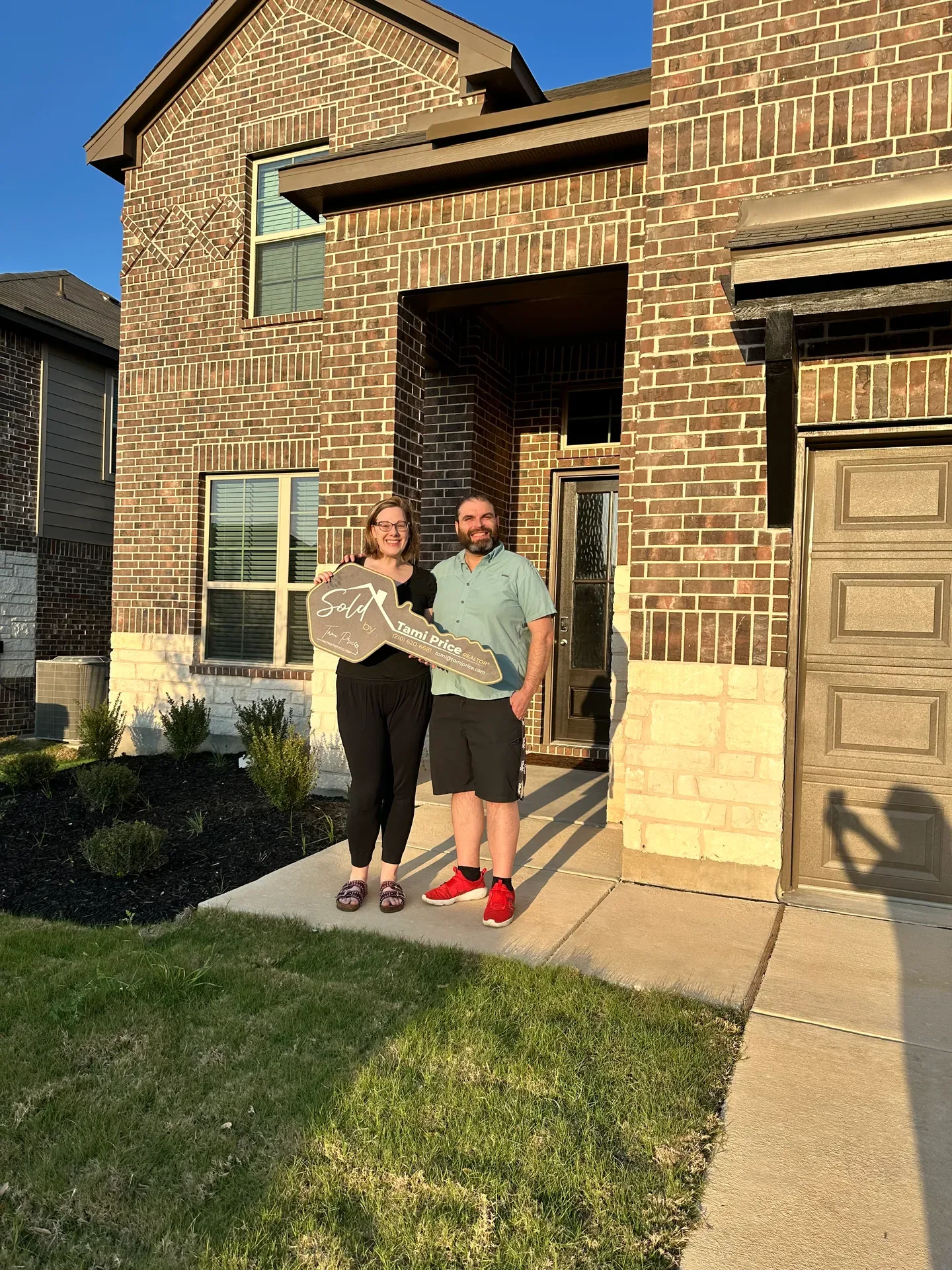
Whether orders are months out or the report date is close, an early conversation keeps the builder timeline on the same calendar as the PCS. The first consultation is at no charge and with no pressure.
Tami Price is a U.S. Air Force veteran and Broker Owner of Tami Price Properties, helping military families across San Antonio and Joint Base San Antonio.
More about Tami